Choose the work you need to do. Build the equipment enquiry around it.
Explore water well drilling, geological sampling, quarry drilling and solar pile installation. Each route connects the project questions with equipment configurations, selection guides and a matching package schedule.
Three steps from application to a defined scope.
1. Define the project.
Use the application guide to record the intended work, available ground information and the technical conditions still to resolve.
2. Explore the equipment family.
Review relevant configurations and their supplier evidence. Ask for a current technical sheet for the proposed machine.
3. Plan the complete package.
Bring the rig, tooling, auxiliaries, spares and documentation into an itemised offer. Record inclusions, options, exclusions and unanswered questions.
Application / Water wells
Water Well Projects
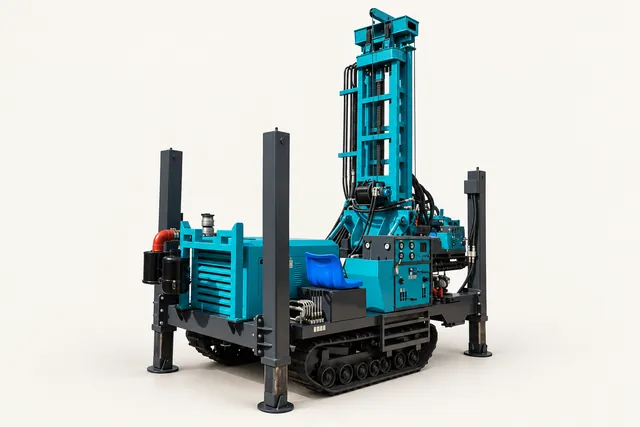
Plan equipment for water-supply and irrigation boreholes around the proposed well, ground information and site access. Bring the rig, circulation system, drill string and completion questions into one enquiry.
Bring these details.
Target depth and hole / casing programme
Available ground information and proposed air or mud method
Catalogue example: 400 m Crawler Water Well Rig. Review the product page for listed specifications and supplier evidence.
Application / Core sampling
Geological & Core Sampling
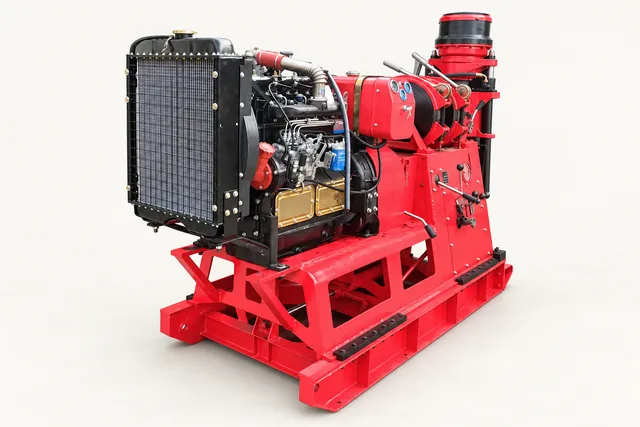
Begin with the sample the investigation needs. Describe the hole programme and sampling requirements before comparing the rig, rods, barrel, bit and circulation arrangement.
Bring these details.
Sample type and required core / hole sizes
Depth, inclination and expected ground intervals
Tooling interfaces, power supply and sample-handling requirements
Catalogue example: XY-2B Core Drilling Rig. Review the product page for listed specifications and supplier evidence.
Application / Quarry & mining
Quarry & Surface Mining Drilling
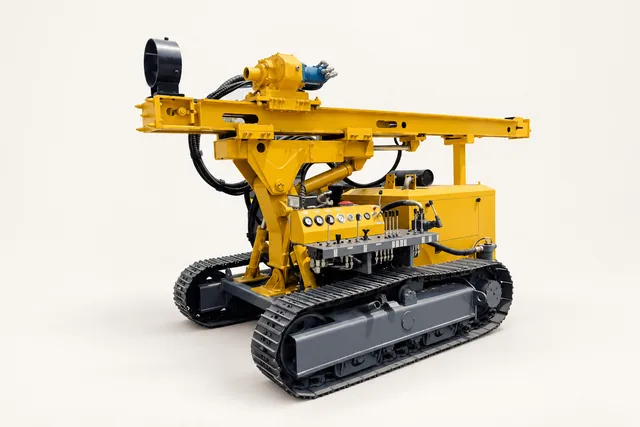
Use the project hole requirements, rock information and working layout to discuss a drilling system. Review the DTH rig, hammer, bit, rods and air supply together, with dust-control provisions identified in the offer.
Bring these details.
Hole diameter, depth and inclination
Rock information, bench access and working space
Hammer / compressor data and required dust-control scope
Catalogue example: YQD-115 Blasthole Drilling Rig. Review the product page for listed specifications and supplier evidence.
Application / Solar foundations
Solar Foundation Installation
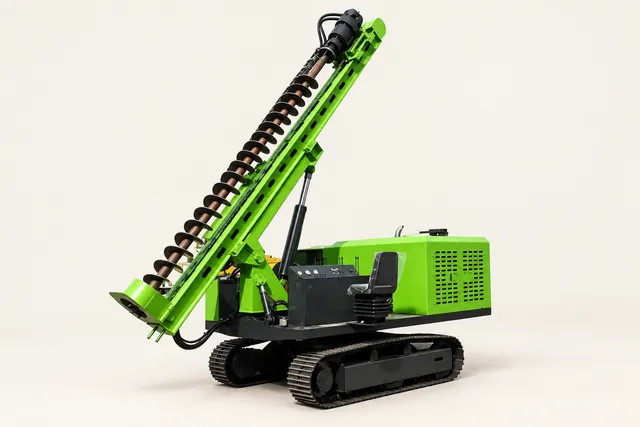
Start with the approved pile drawing, ground investigation and installation method. Ask the supplier to reconcile the offered machine, attachment and working envelope with the project requirements.
Bring these details.
Pile profile, total length and target embedment
Ground report, trial information and approved installation method
Working platform, access and attachment requirements
Catalogue example: PV-60 Solar Pile Driver. Review the product page for listed specifications and supplier evidence.
Which route should you open first?
Use the intended project output to choose a starting point. If the project covers several tasks, prepare a brief for each before combining the equipment scope.
Keep the project brief, machine configuration and package schedule together. Identify any equipment you already own and request the supplier’s interface and inclusion confirmations in writing.
RigSpan supports independent equipment sourcing and procurement coordination with manufacturing partners. Project engineering, the offered configuration and order-specific responsibilities require confirmation by the relevant parties.
Yes. Select the application and provide the project information you have. Mark unknowns clearly; a final proposal may need more ground information, drawings or technical confirmation.
Are all supporting tools included with a machine?
The accepted quotation should identify the machine, tooling, auxiliaries and quantities. Use the package schedule to distinguish included, optional, excluded and unresolved items.
What if my project needs more than one equipment family?
Record the requirements for each task separately, then review the combined scope with the supplier. Similar model names, depth labels or tool dimensions do not by themselves establish cross-system compatibility.
Where can I check the basis for the selection questions?
The four application guides provide source references and their scope. Linked product pages identify supplier listings, configuration notes and unresolved specification fields. The overview organises those existing resources into procurement routes.
Bring your application into the enquiry.
Share the job, destination and requirements you know, then identify what the supplier needs to confirm.