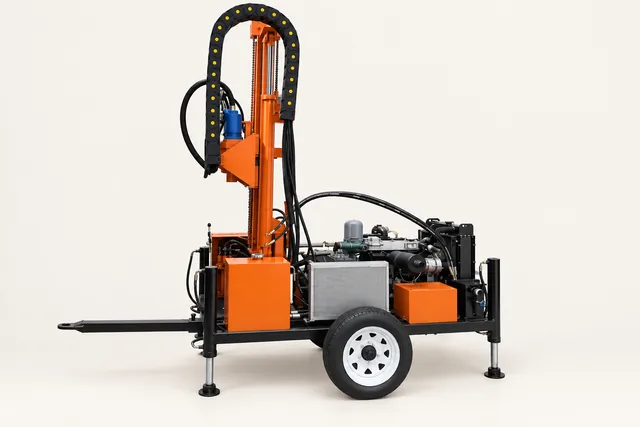
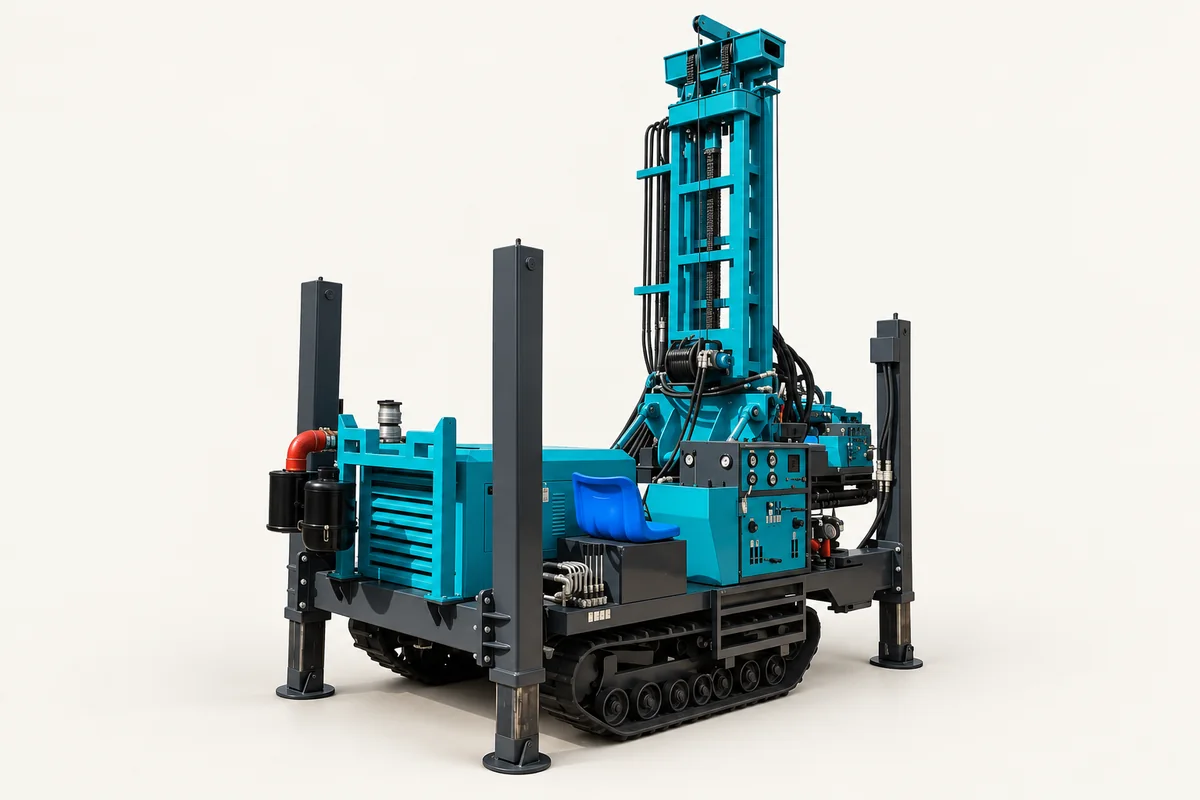
Exact model appearance and included components require confirmation.
Water Well Drilling Rigs
400 m Crawler Water Well Rig
Discuss this water-well configuration against your target depth, borehole diameter and ground conditions. A crawler configuration for discussing movement and positioning across a drilling site. Confirm access conditions, transport dimensions and stabilizer requirements with the proposed setup.
- Listed depth
- 400 m
- Mounting
- Crawler
- Equipment family
- Water Wells
- Supply scope
- Configured to the project
Final configuration, pricing, delivery and support terms are confirmed for the specific order.
Configuration details.
| Equipment family | Water Well Drilling Rigs |
|---|---|
| Mounting configuration | Crawler |
| Listed drilling depth | 400 m |
| Hole diameter | 105–305 mm |
| Operating air pressure | 1.25–3.5 MPa |
| Rotary torque | 8500 / 3850 N·m |
| Drill rod length | 6 m |
| Listed engine power | 92 kW |
| Listed air consumption | 16–55 m³/min |
| Recommended rod diameter | 89 mm |
| Listed lifting force | 22 t |
| Listed machine weight | 10 t |
| Listed overall dimensions | 6 × 2 × 2.5 m |
These supplier-listed values describe a configuration, not a guarantee across all hole sizes and ground conditions. Confirm the final technical sheet and supply scope with your quotation.
Configuration evidence & enquiry sheet.
Supplier listing reviewed 17 October 2026
Pressure and air-consumption ranges are listing envelopes, not a recommended compressor operating point. Confirm the proposed hammer and site duty. The drilling-efficiency field uses an inconsistent unit and is omitted.
Published values remain supplier catalogue claims. Obtain the accepted technical sheet for the offered revision before ordering.
- Target depth / diameter sequence; ground report; site access
- Compressor pressure AND delivered flow; model-specific hammer data; hoses, connectors and lubrication
- Included tools, auxiliaries, spares and documentation
- Actual packing, inspection, delivery and support responsibilities
Plan around the job.
Water supply projects
Discuss target well depth, finished hole diameter and the expected geological sequence.
Agricultural water development
Review site access, transport requirements and the supporting drilling package.
Contract drilling work
Confirm the range of jobs, relocation method and service parts required for your work.
Discuss the package.
Confirm what is included in the quotation. Supporting tools and attachments are selected to match the equipment and your planned work.
- Rig and mounting configuration
- Drill rods, bits and casing
- Air compressor or mud pump, as required
- Spare parts and operating documentation
Before you choose.
What should I include in my inquiry?
Share your target depth, borehole diameter, ground conditions and project destination. For sampling, include your core or sample requirements.
Does the listed capacity apply to every job?
No. Capacity depends on the specific configuration and working conditions. Confirm the relevant depth, diameter, tooling and power combination in the final technical sheet.
Can I include tools and spare parts?
Include your requirements in the inquiry so compatibility, availability and the included supply scope can be checked with the manufacturer.
How are shipping and warranty terms agreed?
Delivery, inspection, warranty coverage and support responsibilities are agreed for the specific order and recorded in the quotation or contract.
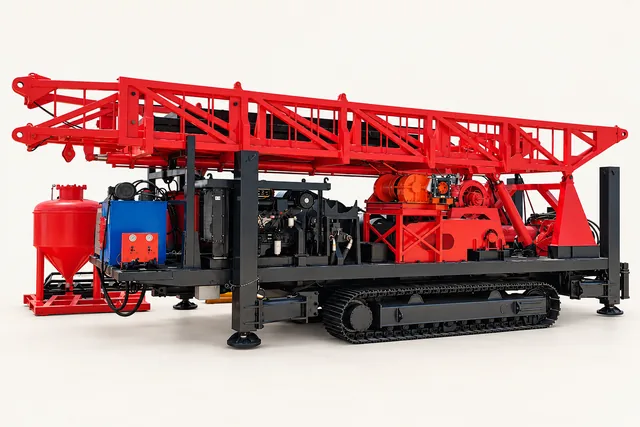
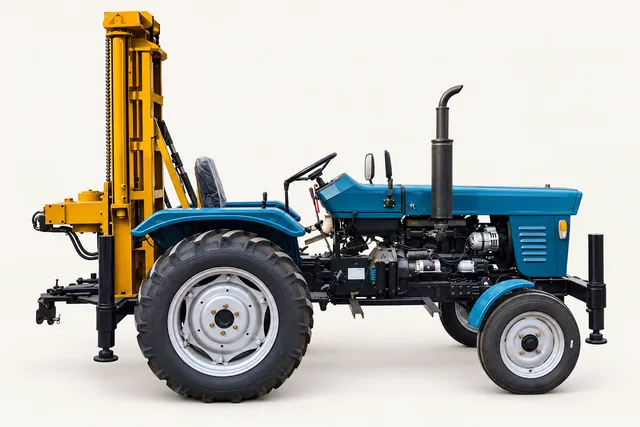
Explore related equipment.
Put your project into the brief.
Discuss the equipment, supporting tools and the details that matter on your site.
Choose with the project in mind.
Use these guides to prepare your borehole requirements and compare the written equipment scope.
Plan the complete equipment enquiry.
Explore Water Well Rigs →Drilling Air Compressor Requirements: What to Put in an RFQDrilling Rig Pre-Shipment Inspection: An Evidence ChecklistWell Development Equipment: Define the Supply ScopeBorehole Pumping Tests: What a Rig Quote Should IncludeSolar-Powered Water Projects: Why Borehole Drilling Needs Its Own RFQ
Plan the matching equipment package.
Review the supporting parts.
Related sourcing enquiries only. Confirm duty, drawings and connection compatibility for the actual offered rig.
All Parts & Tooling → · Download Library →Identify, record and request support.
Keep the machine identity, applicable manual and observed symptoms together for a supplier review.
Identify Equipment → · Maintenance Records → · Prepare a Service Request → · Equipment Support →Review the model documentation before maintenance.
These pages explain verified catalogue scope and unresolved manual requirements. They do not provide approved service settings or repair instructions.