Technical analysis / Solar equipment access
Solar Pile Driver Dimensions: Transport Fit Is Only the First Check
Quick answer
Request separate drawings for the quoted machine in transport, working and setup configurations. Match them to your transport route and solar-site access brief, with the carrier and site team checking the relevant limits. A folded shipping height or a machine weight on its own does not confirm that the machine can be delivered, set up and used in the intended work area.
Why one dimensions line is not enough
Published 29 October 2026. This is technical procurement analysis of existing manufacturer documents, not a new rule or launch. Vermeer’s undated PD10 specification lists operating height and weight by mast option separately from transport dimensions. That distinction is useful when reading offers; its values describe that manufacturer’s configurations, not the PV models below. [1]
Rhino’s Solar Pro Omni Adjustable manual is for a skidsteer-mounted attachment. Its transport section refers buyers to the machine weight and dimensions, while its operation section addresses overhead and side clearance before movement or raising the mast. The back cover carries identifier 000615.06.21.24, read as 21 June 2024; interior pages retain an earlier 2023 identifier. These examples explain why configuration and document revision matter. They are not instructions for tracked PV equipment. [2]
Ask for three configuration views
RigSpan’s purchasing recommendation is to obtain a transport view, a working view and a setup or movement-envelope view tied to the exact quoted configuration. Ask the supplier to label which mast, hammer, tracks and optional attachments are represented, and whether dimensions include projections or removed components.
The transport view should identify the machine’s declared transport arrangement and dimensions. The working view should show the space needed with the specified equipment deployed. A setup view should identify the area occupied while changing between those arrangements. If the supplier provides only one outline, ask which state it represents and request the missing views before treating the access review as complete.
Do not create an operating envelope by subtracting the pile length from a catalogue mast height. Ask for the actual supplier drawing and applicable manual; machine dimensions are also distinct from the working exclusion area established by the responsible site team.
Five items to add to the access enquiry
This is an original offer-comparison checklist. The supplier supplies machine evidence; the carrier and responsible site team review it against their actual route, loading arrangement and work plan. It does not calculate a safe clearance or approve a transport method.
| Access evidence | Buyer provides | Supplier or reviewer confirms |
|---|---|---|
| Transport state | Route and proposed delivery arrangement | Configuration-specific transport outline and projections |
| Working state | Intended work area and restrictions | Deployed outline, relevant manual and unresolved access questions |
| Setup and movement | Space between unloading point and pile rows | Envelope through configuration changes; responsible site review |
| Shipping units | Requested delivery scope and destination handling brief | Packing list, dimensions and weight basis for each package |
| Document control | Accepted offer and review responsibilities | Drawing/manual revisions, exclusions and outstanding approvals |
Compare the drawings with a documented route
Attach a route sketch from the unloading point to the proposed pile rows, including measured gateways, turns, restricted passages and overhead obstructions. Identify whether installed structures or stockpiled materials will change that route during the work. Mark unmeasured restrictions as open questions, rather than writing that access is unrestricted.
Ask the site team to identify the work and setup areas they need assessed and to review the supplier’s envelope drawings. Keep electrical and other site hazards within the project’s formal planning process. This article gives no clearance distance, slope limit, stability calculation, ground-bearing approval or movement instruction.
Where information is missing, record who will measure it, who will review it and whether the order depends on that confirmation. A demonstration video can help identify a question, but does not replace dimensions and an applicable manual for the quoted unit.
Keep transport data tied to the delivered package
Request a packing list that distinguishes machine, removed attachments, spares and any separate packages. Ask for the stated weight basis and dimensions for each shipping unit, with a reference to the accepted configuration. If an attachment is removed for shipment, ask who supplies the applicable reassembly instructions and who is responsible for that work at destination.
Have the carrier confirm the proposed vehicle or shipping arrangement using the accepted package data. Do not infer container fit, legal road movement or loading-equipment suitability from a single catalogue dimension. Obtain the supplier’s applicable handling and securing documents and have the responsible parties assess them; this checklist provides no lifting points, ramp limits or tie-down procedure.
Use the shipping and packing checklist for the wider dispatch file and the pre-shipment evidence guide to record the agreed configuration. The narrower question here is whether the transport, setup and working states have each been documented.
Use the access review alongside the solar project brief
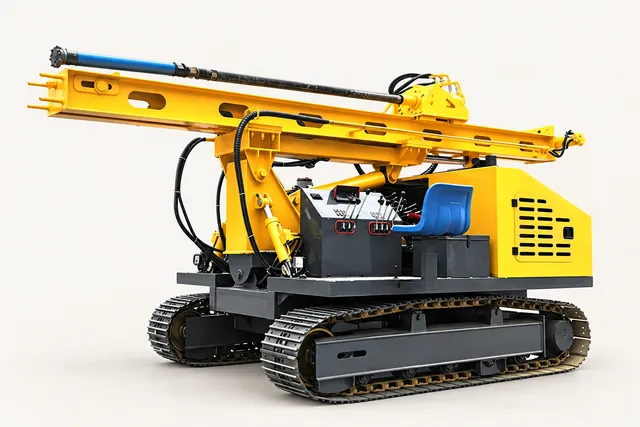
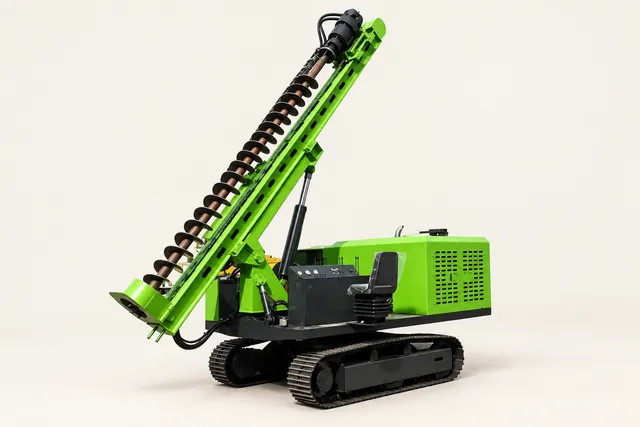
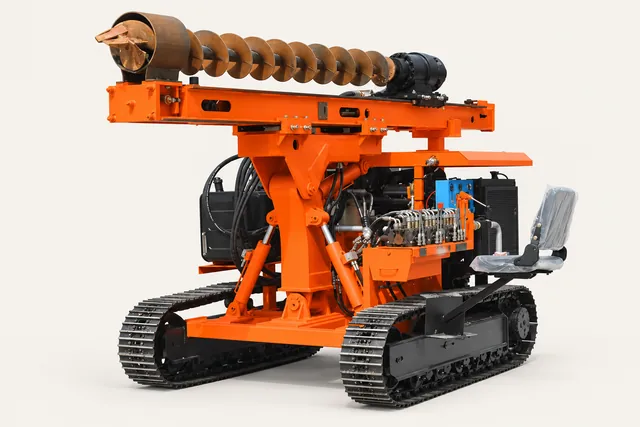
The PV-15, PV-60 and PV-130 cards below are catalogue routes for an equipment enquiry. Their labels and listed weights do not establish a verified transport drawing, container fit, working envelope or suitability for your site. Request the actual offered configuration and mark unconfirmed dimensions clearly.
Combine this checklist with the solar pile driver project brief and solar installation equipment package. Keep GPS data handover, pile refusal planning and load-test procurement as separate purchase questions. Accepted documents can be listed with the equipment records and worksheets in the download library.
RigSpan provides independent equipment sourcing and supplier coordination. We can help organise supplier questions and quotation evidence. The cited manufacturers do not endorse these catalogue configurations, and their documents do not establish a supply relationship or an approved operating procedure for PV equipment.
Buyer questions.
Does a folded transport height confirm working headroom?
No. Request the deployed and setup envelopes for the actual quoted configuration, then have the responsible site team review the work area and applicable requirements.
Can we use another manufacturer’s transport manual for a PV machine?
No. The cited documents illustrate why separate configuration evidence matters. Request the applicable supplier manual and drawings for the actual unit; no source operating procedure is transferred here.
Sources and scope.
External sources support the background points attributed to them. The enquiry questions, checklists and procurement implications are RigSpan editorial guidance. References to other manufacturers do not imply a commercial relationship, endorsement or performance equivalence.
- Vermeer — PD10 Pile Driver; Product specification publication/revision date not stated; accessed 29 October 2026; accessed 29 October 2026
- Rhino Tool — Solar Pro Omni Adjustable Operation and Parts Manual; Document identifier 000615.06.21.24 on back cover (21 June 2024); interior retains earlier 2023 identifier; accessed 29 October 2026
Continue the equipment discussion.
Turn the requirements into a clear enquiry.
Share your project information with RigSpan for equipment sourcing and supply coordination.