Technical analysis / Solar foundation testing
Solar Pile Load Testing: Specify the Package Separately
Quick answer
Keep pile installation and pile load testing as separately defined scopes, even if one bidder offers both. Ask for the engineer-approved test brief, proposed testing equipment, load and movement records, site arrangements and a named report reviewer. A pile driver’s specification or successful installation alone does not establish foundation acceptance or an included testing service.
Use field evidence without importing another project’s design
Published 25 October 2026. This is technical procurement analysis of earlier source material, not news of a project or a new testing requirement. Terracon’s North Stonington Solar Facility report is dated 25 January 2021; its pile-driving section describes work on 23 May 2019. The report records installation separately from uplift and lateral load testing, and presents load results with measured movement. These are observations about that historical project only. [1]
Applus+ describes photovoltaic foundation testing in its Pull Out Test sheet. Its planning section considers profile types, test locations and conditions such as saturation. The reviewed three-page sheet states no publication or revision date. It supports asking for a site-specific plan, rather than copying a test quantity or loading arrangement from an unrelated site. [2]
Give the test provider an approved brief
RigSpan’s purchasing recommendation is to obtain the responsible engineer’s test requirements before requesting a firm testing package. Identify whether the programme concerns preliminary investigation, verification of an installation proposal or acceptance of installed work. Ask the engineer to define the locations, pile types, loading cases, measurements and criteria that the test provider must address.
Keep the pile drawing, material, installation method and actual installation record tied to each test identifier. If the proposed driving or pre-drilling method changes, return that change to the responsible engineer for review of the test basis. Do not assume that a result for one pile, ground zone or installation route automatically covers another.
Terms such as “pull-out test” should be clarified in the accepted brief. Ask which loading directions and reported responses are required, including any uplift, lateral or other tests specified by the project. This article chooses no loading case, test count or acceptance limit.
Six boundaries to put in the quotation
This original comparison schedule helps separate supply, fieldwork and technical review. A bidder should identify exclusions and outstanding project inputs instead of filling them with an assumed standard package.
| Scope line | Project input | Written response requested |
|---|---|---|
| Purpose and programme | Engineer-approved objectives, piles, locations and loading cases | Proposed scope, required inputs and explicit exclusions |
| Installation record | Pile drawing, identifier and actual installation method | Who installs, records and hands over the test piles |
| Testing equipment | Approved test brief and pile interfaces | Itemised loading/measurement arrangement and equipment responsibility |
| Records and traceability | Required quantities, units and deliverable format | Equipment identification, calibration documents and linked data files |
| Site work | Access, working space and relevant site conditions | Mobilisation, witnessing and temporary-work responsibilities |
| Review and handover | Responsible engineer and reporting requirements | Report template, reviewer, raw-file handover and open actions |
Ask for the testing arrangement and measurement scope
Request an itemised proposed testing-equipment schedule, with its loading arrangement, pile connections, reaction or support arrangements where applicable, measurement equipment and recording system. Ask the test provider to confirm suitability for the approved brief and actual pile profile. Have it identify any equipment that the buyer or installation contractor must supply.
Ask what equipment identification and calibration documentation accompanies the offer, which quantities will be recorded, and in what units and file format. Require an explanation of how load and movement records will be linked to the same pile and test event. A photograph of a gauge or a headline maximum force is not a complete measurement and reporting scope.
Keep rig handling figures separate from test requirements and foundation results. A listed machine force, mast height or driving-depth label should not be read as an approved testing arrangement, proof of an installed pile’s load capacity or confirmation of the pile’s acceptance.
Agree the site work and the report handover
Clarify who installs and identifies test piles, mobilises testing equipment, provides access and working space, witnesses the work and reinstates or removes temporary items where required. Ask the test provider and project team to agree the boundaries and any conditions that prevent testing from proceeding.
Request the proposed report template before ordering. RigSpan recommends keeping the pile identifier and location, installation information, test method reference, equipment references, recorded load and movement, relevant conditions, interruptions and departures traceable. Ask for the required raw or editable records alongside the reviewed report, with an agreed owner for unresolved observations.
The Terracon report illustrates why the link between installation and test records matters; its particular values and recommendations are not specifications for another solar site. [1] Interpretation, any design changes and acceptance remain with the responsible project professionals. No universal test duration, force, displacement threshold or pass guarantee is given here.
Connect the testing brief to the solar equipment enquiry
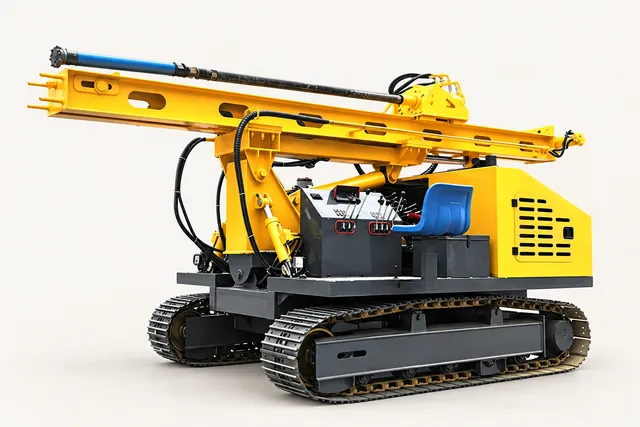
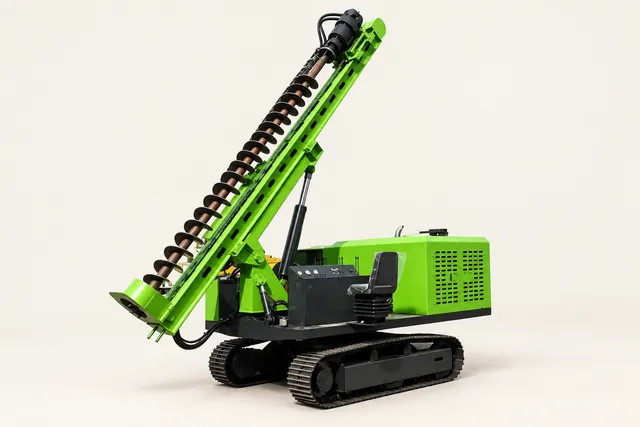
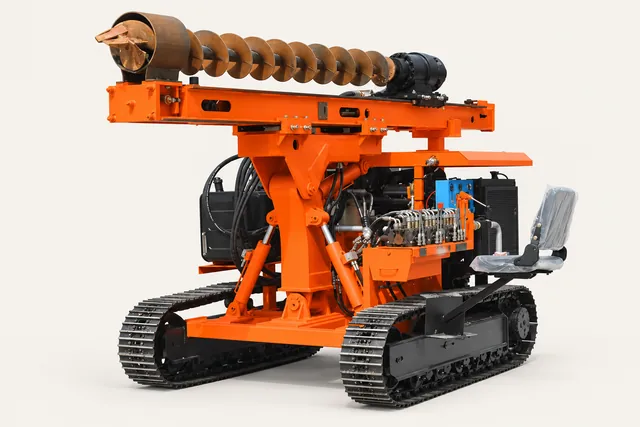
The PV-15, PV-60 and PV-130 catalogue configurations below are installation-equipment discussion routes. This article does not establish an included load-testing attachment, calibrated test system, foundation capacity or field-testing service for any of them. Request an order-specific machine and attachment schedule and keep any testing proposal identifiable.
Use the solar pile driver project brief and solar installation equipment package for the broader purchase. Review pile-refusal decisions with the responsible engineer where the method may change. The pre-shipment evidence guide addresses equipment delivery evidence; a factory demonstration does not replace site foundation testing. Keep accepted documents with the equipment records and download library.
RigSpan provides independent equipment sourcing and supplier coordination. References to Terracon and Applus+ support the stated technical context; they do not imply an appointment, endorsement, supplier relationship or involvement in the cited project.
Buyer questions.
Does a solar pile driver quotation prove load testing is included?
No. Ask for a separate testing schedule identifying the approved brief, equipment, fieldwork, measurements and responsible reviewer. A rig or attachment description alone is insufficient.
Can another solar project’s load-test result set our acceptance limit?
No. The responsible project professionals must specify and interpret testing for your piles, ground conditions, installation method and design. The historical report cited here supplies context, not transferable acceptance values.
Sources and scope.
External sources support the background points attributed to them. The enquiry questions, checklists and procurement implications are RigSpan editorial guidance. References to other manufacturers do not imply a commercial relationship, endorsement or performance equivalence.
- Terracon — North Stonington Solar Facility, Geotechnical Engineering Report, J2185196 (Connecticut Siting Council filing); 25 January 2021; pile-driving activity described as 23 May 2019; accessed 25 October 2026
- Applus+ — Pull Out Test, approach and planning; Publication/revision date not stated in the reviewed three-page sheet; accessed 25 October 2026
Continue the equipment discussion.
Turn the requirements into a clear enquiry.
Share your project information with RigSpan for equipment sourcing and supply coordination.