Technical analysis / Core barrel selection
Double vs Triple Tube Core Barrels: What Buyers Should Confirm
Quick answer
A triple-tube core barrel adds a sample liner inside the inner tube of a double-tube arrangement. That makes the liner and sample-transfer scope important purchasing questions. Ask the project specialist to define the required sample condition, then request the supplier’s exact assembly, core dimensions, compatible tooling and handling items. Tube count alone does not establish rig compatibility or guarantee the sampling result.
Start with the specimen the investigation needs
Published 27 October 2026. This is technical procurement analysis of earlier references, not a new standard or launch. Hong Kong’s GEO/CEDD Guide to Site Investigation (Geoguide 2) was first published in September 1987; the reviewed continuously updated e-version is dated 18 December 2017. Printed page 91 distinguishes double-tube barrels from triple-tube designs with detachable liners and discusses retaining fractured or jointed core during removal. Its recommendations belong to its stated Hong Kong investigation context. [1]
Apageo lists conventional double- and triple-tube corers and describes keeping the specimen in a tube during laboratory transfer for its triple corers. The reviewed manufacturer page states no publication or revision date. This corroborates the importance of the liner and transfer arrangement; it is not a requirement for every project to buy that manufacturer’s system. [2]
Separate tube count, retrieval method and sample size
The liner adds a sample-retention and handling element to the assembly. It does not mean that every triple-tube offer includes the same liner material, split arrangement, core lifter, transfer accessories or documentation. Request the supplier’s section drawing and component list for the named system.
Keep three decisions identifiable in the enquiry: the barrel’s tube/liner arrangement, the method used to retrieve the sample assembly, and the actual core dimensions required for the investigation. “Triple tube” should not be treated as another name for “wireline”. Apageo’s conventional product range includes triple corers; a retrieval system still needs its own defined scope. [2] Use the separate wireline retrieval checklist if that method is proposed.
Ask for hole diameter and recovered-core diameter as separately labelled fields. Also identify the proposed run length and equipment handling envelope. A familiar barrel abbreviation or the rig’s depth label should not replace those configuration details.
Compare the offered assemblies on the same basis
The following is an original purchasing comparison, not a rule selecting one barrel for a particular ground class. Ask the supplier and responsible project specialist to resolve the fields before accepting a substitution.
| Comparison field | Double-tube offer | Triple-tube offer |
|---|---|---|
| Assembly identity | Identify the outer/inner assembly and exact system | Identify the assembly plus the liner and associated components |
| Sample dimensions | State recovered-core size separately from hole size | State the actual core size for the offered lined configuration |
| Transfer and handling | Explain the proposed removal/receiving scope and included items | Explain liner handling, receiving scope and any additional equipment |
| Tooling interfaces | Confirm the bit, core lifter, rods and connections | Confirm the complete matched set; identify conversion requirements if proposed |
| Consumables and records | List supplied spares, instructions and exclusions | List liner references/quantities, other consumables, instructions and exclusions |
Define the liner and transfer deliverable
Have the investigation team state what sample condition is required for logging or laboratory work and who receives it. Ask the supplier how its proposed liner and transfer arrangement supports that requirement, what equipment and consumables are needed, and which items are excluded from the quotation.
Request the liner reference, material and arrangement where applicable, the quantities being supplied, the receiving container or storage requirements, and the relevant equipment instructions. Identify whether liners remain with the specimen or are intended to be reused under the approved process. Do not assume that a tube pictured in a catalogue is a supplied consumable or a suitable final storage container.
Geoguide 2 explains why preserving the arrangement of fractured core during removal can matter to later observations. [1] RigSpan’s procurement implication is to agree the barrel-to-receiver handover as well as the drilling equipment. A liner is not, by itself, evidence of a guaranteed recovery percentage or an undisturbed sample in every formation.
Confirm the complete tooling match
Ask the supplier to identify the offered barrel, bit, core lifter, rods and connection references together. If an alternative double- or triple-tube configuration is offered, request a revised assembly schedule and written compatibility confirmation. Do not assume that adding a liner to an existing barrel is a complete or approved conversion.
List the proposed rig, circulation arrangement and available tooling already owned by the buyer. Ask which missing drawings or equipment data prevent the supplier from making a firm recommendation. Keep the wider sample and hole programme in the geological core drilling RFQ guide.
Agree the applicable instructions and demonstration scope for the actual configuration. This article does not provide an assembly, sample-extrusion or drilling procedure, and it adopts no operating speed, pressure, dimensional table or recovery target from the sources.
Connect the barrel choice to the rig and records
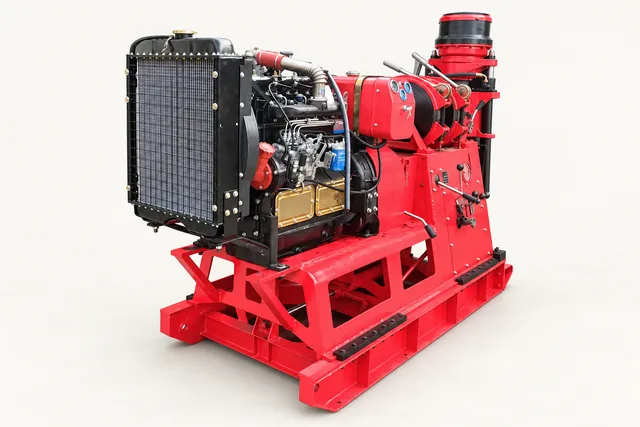
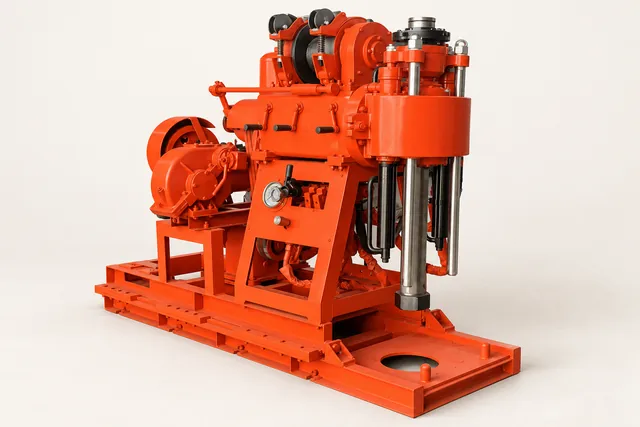
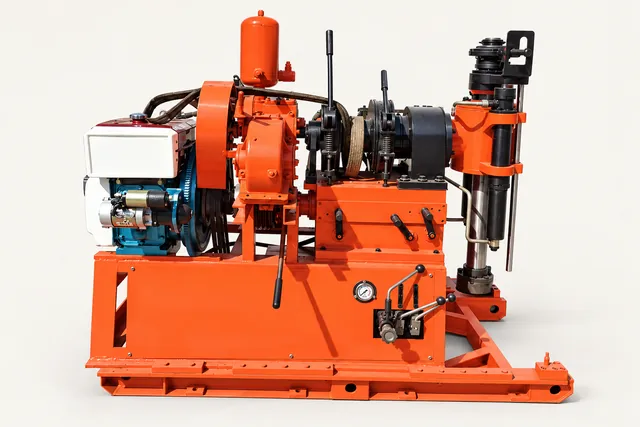
The XY-2B, GK200 and GY200 configurations below are catalogue routes for discussing core-drilling equipment. They do not confirm an included triple-tube barrel, a particular liner, a wireline arrangement or compatibility with Apageo tooling. Ask for the actual rig and tooling offer before accepting a capacity or sample-quality claim.
Use the geological core drilling package to identify the wider supply boundary and the recovery/RQD reporting guide for the separate logging deliverable. Keep accepted equipment references with the equipment records and the worksheets in the download library. Define any workshop evidence with the pre-shipment guide; a demonstration does not recreate the project’s geology.
RigSpan provides independent equipment sourcing and supplier coordination. The project specialist defines sampling requirements; the responsible supplier confirms the offered system. The cited government guide and manufacturer page do not endorse these catalogue configurations or establish a commercial relationship.
Buyer questions.
Does triple tube automatically mean wireline core drilling?
No. Tube and liner arrangement and retrieval method are separate fields to confirm. The manufacturer reference includes conventional triple corers; a wireline offer needs its own defined retrieval scope.
Can a rig depth rating confirm that a triple-tube barrel is suitable?
No. Ask for the actual rig/tooling combination, recovered-core dimensions and written compatibility confirmation against the investigation requirements. No catalogue depth label guarantees the sample result.
Sources and scope.
External sources support the background points attributed to them. The enquiry questions, checklists and procurement implications are RigSpan editorial guidance. References to other manufacturers do not imply a commercial relationship, endorsement or performance equivalence.
Continue the equipment discussion.
Turn the requirements into a clear enquiry.
Share your project information with RigSpan for equipment sourcing and supply coordination.