Technical analysis / Core retrieval procurement
Wireline Core Retrieval: What Must the Quotation Include?
Quick answer
A wireline coring quotation should identify a matched barrel, inner-tube and retrieval system, the rods it passes through, the proposed winch or hoist arrangement, and the confirmed rig interfaces. Ask the supplier to itemise these components and document their compatibility. A rig’s depth label or a quoted core diameter alone does not establish a complete wireline package.
Understand the retrieval scope before comparing prices
Published 23 October 2026. This is technical procurement analysis of earlier manufacturer material, not news of a launch today. Epiroc’s undated coring-system overview distinguishes wireline from conventional barrels and identifies some short-hole and geotechnical applications where a conventional arrangement can remain appropriate. It provides no universal depth threshold for making that choice. [1]
Boart Longyear’s explanation dated 5 June 2017 describes an inner tube separate from the rod string, a head assembly, an overshot connected to a cable and retrieval using a winch or hoist. This explains why a barrel description alone leaves important purchasing questions unanswered. It does not establish which components are supplied with an XY-1A, XY-2B or GK200. [2]
Ask for the offered retrieval method in writing
Start by asking whether the proposed offer uses conventional or wireline core retrieval, and ask the supplier to explain the selection against the actual hole and sample programme. Keep alternatives in separate quotation columns. Do not treat the word “core” in a rig title as confirmation of wireline capability.
For a proposed wireline system, request a configuration drawing and an itemised bill of materials that identify the barrel assembly, inner tube and head, retrieval tool, cable and lifting arrangement. Ask which items are included, supplied separately or expected from the buyer. These are RigSpan’s purchasing recommendations, rather than a claim that every system has an identical component list.
Six lines for a comparable retrieval-system offer
Use this original comparison schedule alongside the broader drilling enquiry. Record the supplier’s document references, not just a yes/no answer. Unknown interfaces should remain open points until the responsible supplier resolves them.
| Scope line | Information to identify | Written confirmation requested |
|---|---|---|
| Retrieval method | Hole programme, sample objective and offered method | Conventional or wireline proposal with its stated basis |
| Barrel and inner assembly | System, size, head and inner-tube references | Exact assembly and included quantities |
| Rods and connections | Offered rods or existing tooling documents | Matched assembly and any exclusions or unknowns |
| Retrieval equipment | Overshot, cable, winch or hoist arrangement | Itemised scope and rig/interface responsibility |
| Evidence and documents | Configuration drawing and applicable instructions | Document revisions and agreed demonstration boundary |
| Spares and handover | Parts schedule and receiving responsibilities | Matched initial spares, identification support and open points |
Confirm interfaces instead of matching names
Ask the supplier to identify the offered rod and barrel system and provide the dimensional and connection information needed to confirm the complete assembly. A matching nominal diameter or familiar size abbreviation should not replace a written compatibility statement for the exact components being quoted.
Request confirmation of the proposed retrieval equipment’s installation, cable routing, working clearance and interfaces with the offered rig. Ask who is responsible for the integration and applicable instructions. A general-purpose rig hoist listed in a catalogue should not be assumed to provide the proposed wireline retrieval function.
If you already own rods or tooling, send their manufacturer, part references and available drawings. Ask for an explicit response about reuse, replacement or further information required. Do not assume that parts from different manufacturers or generations are interchangeable.
Make the accepted configuration traceable
Before ordering, request a supplier-approved configuration list, applicable instructions and a proposed demonstration scope. Ask which assembly and retrieval functions can be shown, how the demonstrated components will be identified, and what cannot be established by a workshop demonstration. Such evidence does not prove performance in your ground.
Keep the retrieval-tool and barrel spare references tied to the accepted configuration. Agree initial spare quantities and later identification support with the supplier. This article sets no lifting rating, cable specification, operating setting or maintenance interval; those depend on the actual equipment and responsible technical review.
If a bidder proposes a productivity benefit, ask for the hole conditions, comparison method and supporting evidence. No saving, cycle time, sample recovery percentage or universal advantage is assumed here.
Connect the retrieval schedule to the equipment brief
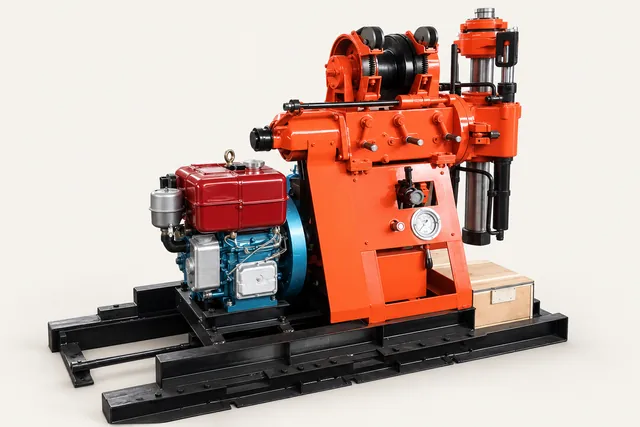
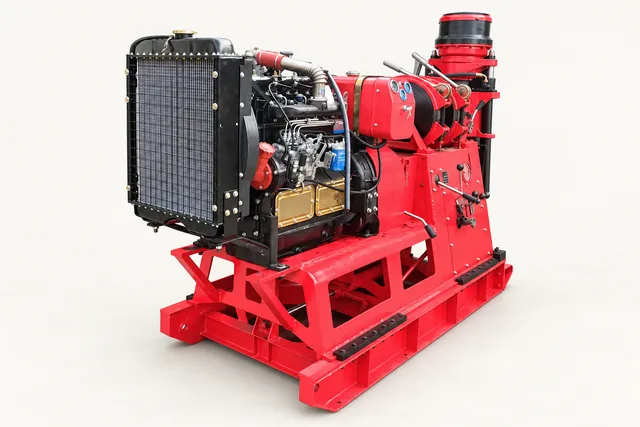
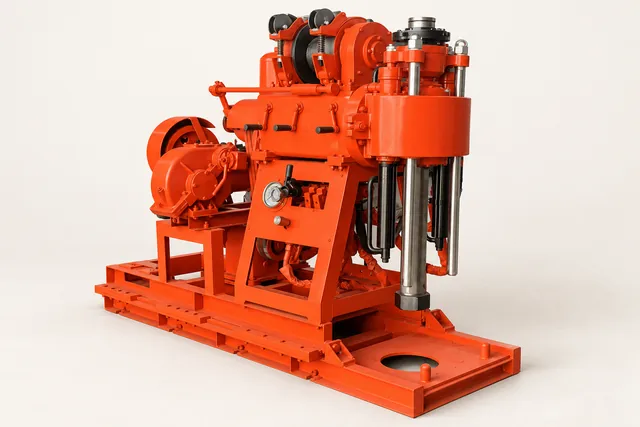
The XY-1A, XY-2B and GK200 pages below are catalogue routes for discussing core-drilling equipment. None is presented here as a confirmed wireline package or as compatible with Epiroc or Boart Longyear components. Ask for the exact proposed machine and tooling configuration before accepting a method or capacity claim.
Use the geological core drilling RFQ guide for the sample and hole programme and the geological core drilling package for the wider supply boundary. Keep pre-shipment evidence, equipment records and the download library linked to the accepted offer.
RigSpan coordinates equipment sourcing and supplier clarification. The selected supplier and responsible project personnel must confirm equipment compatibility and safe use. References to other manufacturers establish technical context only; they do not imply an appointment, affiliation or equivalent product.
Buyer questions.
Does a rig’s depth rating confirm wireline core retrieval?
No. Request a documented retrieval system, compatible tooling and confirmed rig interfaces for the actual offer. A depth label alone does not establish this scope.
Is wireline always required for a core-drilling project?
No. Epiroc identifies some short-hole and geotechnical applications where conventional coring may be appropriate. The responsible supplier and project team should assess the actual programme; this article sets no universal depth cutoff.
Sources and scope.
External sources support the background points attributed to them. The enquiry questions, checklists and procurement implications are RigSpan editorial guidance. References to other manufacturers do not imply a commercial relationship, endorsement or performance equivalence.
Continue the equipment discussion.
Turn the requirements into a clear enquiry.
Share your project information with RigSpan for equipment sourcing and supply coordination.