Technical analysis / Core sampling
Core Recovery vs RQD: Specify the Logging Deliverable
Quick answer
Ask for core recovery and Rock Quality Designation (RQD) as separate, method-defined logging outputs. Specify the run records, sample handling and responsible logger alongside the proposed drilling system. A rig depth label or a recovery promise alone does not define the investigation deliverable.
Two records answer different questions
Published 19 October 2026. This is procurement analysis of earlier technical guidance, not an announcement of a new standard. FHWA’s December 2006 reference manual describes recovery ratio as returned core length relative to the drilled run, and Rock Quality Designation (RQD) as a modified recovery measure using eligible sound pieces. They are not interchangeable measures. [1]
The opened TxDOT Geotechnical Manual section asks that both RQD and percent recovery be recorded when rock is encountered. Its publication or revision date is not stated in that section. This is evidence of a particular agency’s logging requirements, not a rule imposed on every buyer worldwide. [2]
A percentage needs a traceable run record
FHWA also addresses careful transfer to core boxes, identification of mechanical breaks and depth/loss marking. These details connect the specimen to its record. [1]
RigSpan’s procurement interpretation is to request a sample blank log and an example handover format before comparing equipment offers. Identify how the borehole, run and box will be linked, who records the observations, and who reviews the result. An attractive photograph of recovered material is not the same deliverable as a traceable investigation record.
Keep a recovery figure separate from the interpretation of rock quality. A high returned-core percentage does not by itself establish a high RQD or prove that a proposed rig is suitable for the complete investigation. Have the responsible project specialist define the logging method and how uncertain observations will be treated.
Six scope lines for the enquiry
This is an editorial purchasing checklist, not a logging standard, acceptance criterion or equipment operating procedure. Use it to obtain a written response against the project investigation specification.
| Scope line | Buyer defines | Written response to request |
|---|---|---|
| Run identification | Investigation specification and record format | Borehole/run identifiers, depth and run-length fields |
| Recovery reporting | Required reporting method and review role | Returned-length and recovery entries kept distinct from RQD |
| RQD reporting | Applicable method selected by the responsible specialist | Named logger/reviewer and the proposed reporting format |
| Specimen handling | Required preservation and handover arrangements | Barrel-to-box responsibility, identification and loss/break records |
| Equipment boundary | Proposed hole programme and ground information | Identified rig/tooling/circulation configuration with exclusions |
| Handover scope | Who receives and approves the records/material | Included files, boxes, support/training and unresolved items |
Connect the sampling output to a defined equipment offer
After agreeing the required record, ask the supplier to identify the actual rod, barrel, bit, recovery arrangement and circulation package being proposed. Request the configuration-specific technical sheet and explain the expected formations, access and hole programme. Keep exclusions visible: which party supplies the core boxes, marking materials, documentation and relevant training or field support?
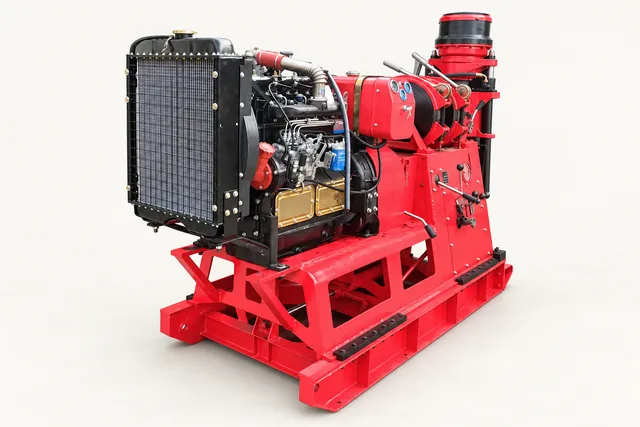
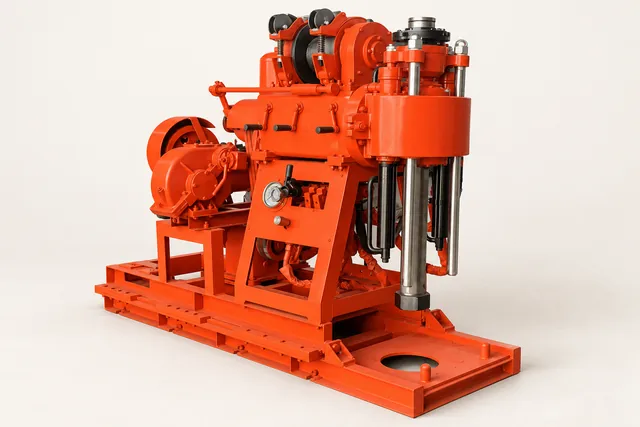
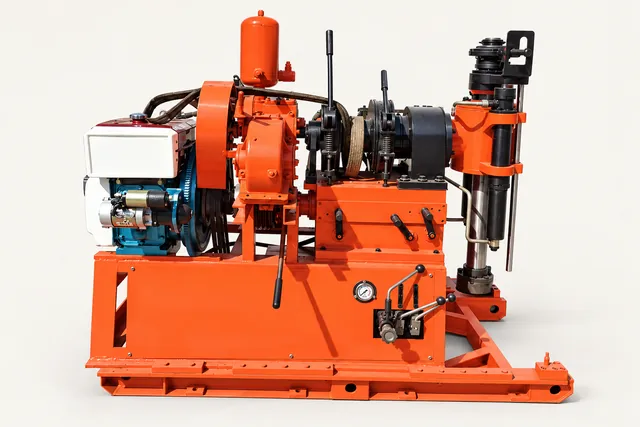
The XY-2B, GK200 and GY200 catalogue configurations below are starting points for that conversation. Their model names do not confirm a particular core diameter, wireline system, logging outcome or recovery percentage. Require written confirmation for the actual offered system; the government references cited here do not validate these products or any accessory fitment.
The existing geological core drilling RFQ guide covers the broader hole and equipment brief. This article addresses the narrower reporting and specimen-handover scope that should accompany it. Use the geological core drilling package to keep the rig, tooling and circulation items together.
Agree responsibilities before accepting a performance statement
Ask who will select the applicable logging method, perform the observations, maintain the original records and approve the investigation output. Clarify which services are included in an equipment-only offer and which belong to a field contractor or project specialist. If an offer promises recovery performance, ask for its method, ground assumptions, proposed configuration and evidence; do not read it as a universal site result.
A workshop demonstration may show supplied equipment or document arrangements, but it does not reproduce the buyer’s geology or certify a sampling result. Record its actual scope using the pre-shipment evidence guide. Use the download library for the existing core RFQ and package worksheets, and mark unresolved requirements instead of entering an assumed value.
Use the sources within their scope
The source documents support the attributed distinctions and record-keeping points. The enquiry table and supplier questions are RigSpan’s purchasing guidance. This article supplies no universal recovery/RQD target, no engineering design or rock classification decision, and no approval to calculate project results from a catalogue photograph. The project’s responsible specialist should establish the applicable method, acceptance requirements and specimen-handling arrangements.
RigSpan is an independent equipment sourcing and supplier-coordination business. We can help organise equipment and documentation questions; laboratory services, field logging, professional interpretation, training and performance commitments require an explicit agreed scope.
Buyer questions.
Does a high core recovery percentage mean the same thing as a high RQD?
No. Recovery and RQD describe different aspects of a run. Ask the project specialist to specify the applicable methods and keep both results identifiable in the logging deliverable.
Can a catalogue rig depth rating guarantee the required sampling result?
No. Confirm the actual drilling and sampling system, ground assumptions, logging responsibilities and supporting evidence for the investigation. A depth label alone does not establish a recovery or RQD outcome.
Sources and scope.
External sources support the background points attributed to them. The enquiry questions, checklists and procurement implications are RigSpan editorial guidance. References to other manufacturers do not imply a commercial relationship, endorsement or performance equivalence.
- FHWA — Soils and Foundations Reference Manual Volume I, FHWA NHI-06-088, December 2006; sections 3.6.5.4–3.6.5.7, printed pp. 3-44–3-48; accessed 19 October 2026
- TxDOT — Geotechnical Manual, Rock Quality Designation (RQD) and Percent Recovery; publication/revision date not stated in opened section; accessed 19 October 2026
Continue the equipment discussion.
Turn the requirements into a clear enquiry.
Share your project information with RigSpan for equipment sourcing and supply coordination.